Civil Society

The Autocrat’s Worst Enemy
Despots hate cities and the mayors who run them.

A Better Way to Build AI
America’s dominance depends on getting local communities on board.
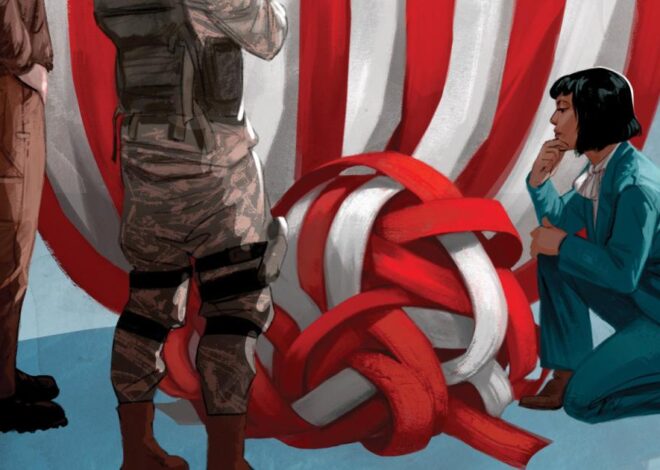
The Strange Triumph of a Broken America
Power abroad comes with dysfunction at home.
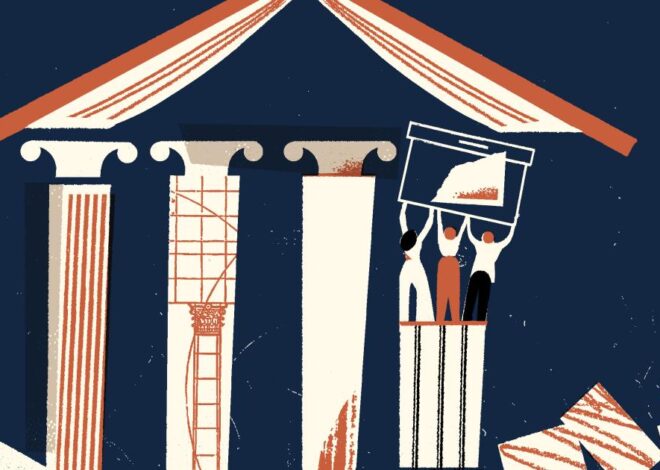
A Democracy Safe for the World
How to fix a broken system.

Sapiens in the Mist
What the fight about humanity’s origins reveals about its future.

Russia’s Descent Into Tyranny
How four years of war have remade society.

The AI Power Paradox
Can states learn to govern artificial intelligence—before it’s too late?
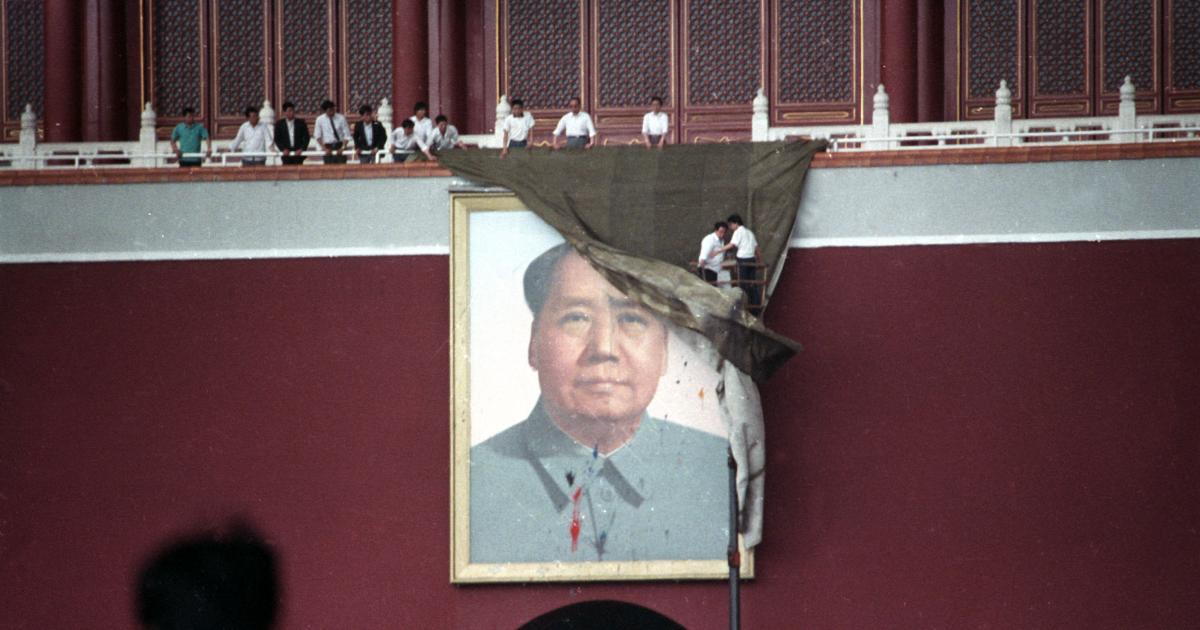
Mao’s China: The Decline of a Dynasty
For a long time it was thought that the way the People’s Republic of China was being governed opened a new chapter in Chinese history. Some scholars argued that the communist system in China was a continuation of Confucianism, but a closer look disclosed little resemblance. The country was subject to spasmodic, repetitious political campaigns; the national economy constantly went through major reshuffles-land reform, socialization, communization, the retreat from communization and the Great Leap Forward. Traditional Chinese values were repudiated or ignored. Even the old Chinese concern for “face” seemed to be disregarded. Everybody was expected to expose in public meetings the evil words and evil deeds of friends and colleagues, of parents and brothers. The traditional Chinese family was severely disrupted, though, as the old Chinese proverb says, it is useless to attack a city if the hearts are not won over. The hearts were not won over, but for a long time it appeared that the régime was solidly established and enjoying general support, if not from love, then from fear.
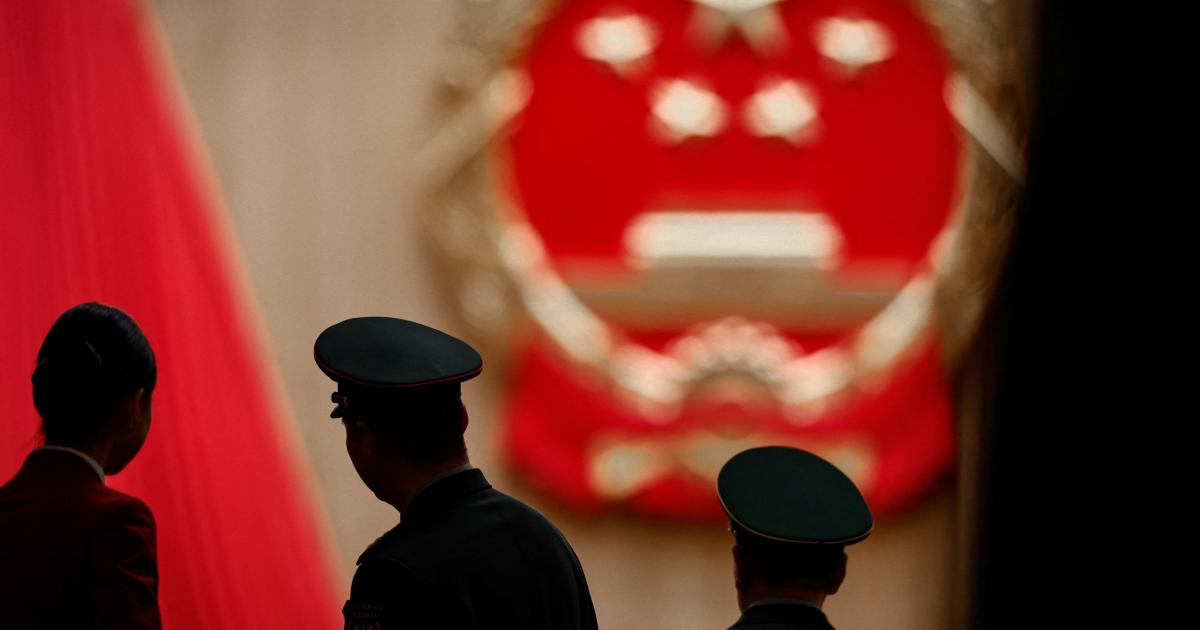
Xi’s Forever Purge
The real goal behind China’s “self-revolution.”