













Popular News
The progressive version of Israel that captured the world’s imagination is over. Under Netanyahu, Israel…
The End of the Old Israel
The progressive version of Israel that captured the world’s imagination is over. Under Netanyahu, Israel has become more religious, less tolerant, and less democratic.
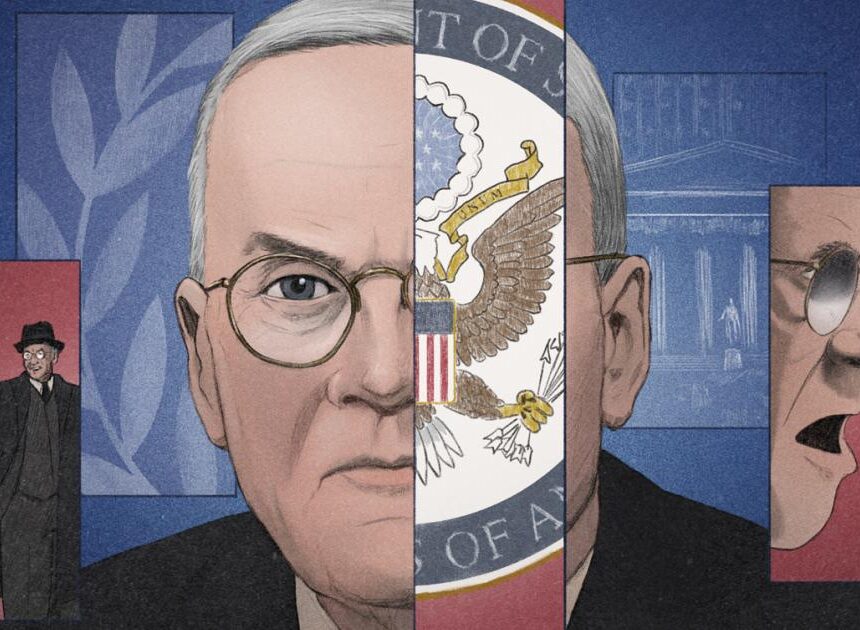
The Strategist in the Gray Flannel Suit
Beverly Gage, a prominent historian who specializes in twentieth-century U.S. politics and foreign policy, reviews the book “John Foster Dulles: Apostle of American Empire” by Bevan Sewell. Gage discusses the former U.S. secretary of state’s intellectual formation and his role in crafting the postwar order.
What Israel’s Election Won’t Change
The constraints and costs of the new security consensus.
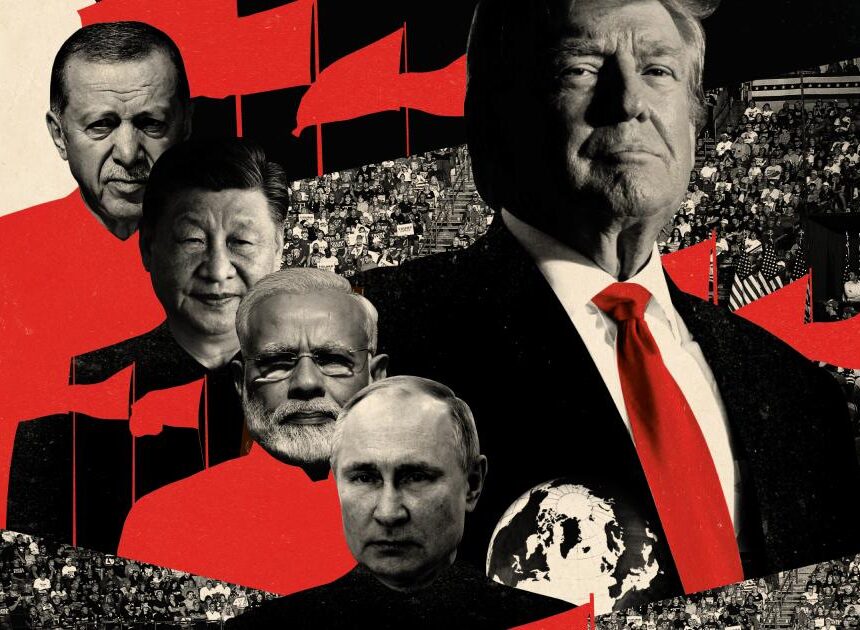
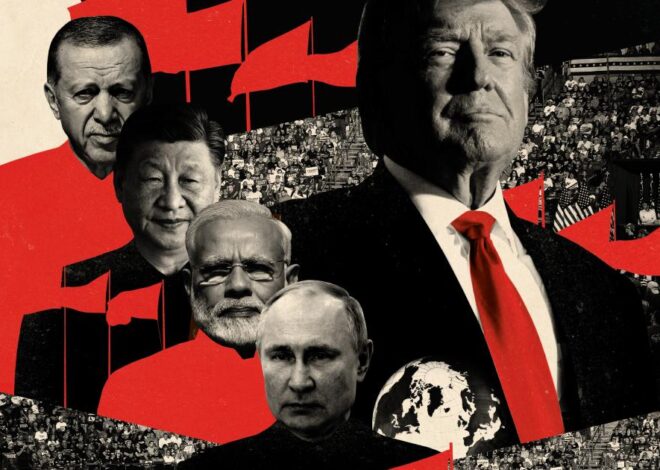
The World Trump Wants
American power in the new age of nationalism.
Israel’s Self-Destruction
Netanyahu, the Palestinians, and the price of neglect.
The Fight for a New Israel
To end the war and build a lasting peace, the country must reinvent its own democracy.
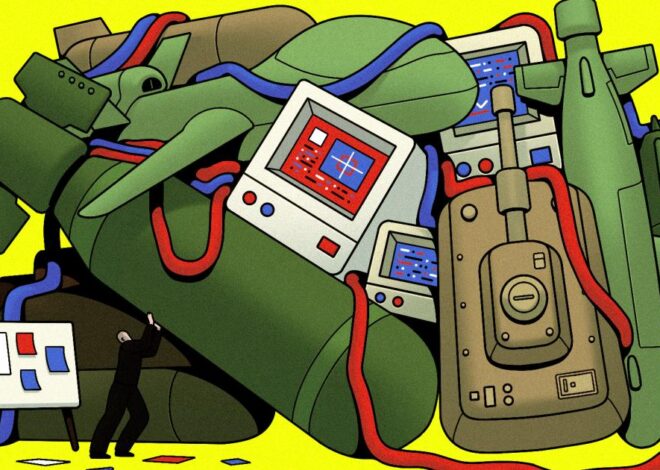
The Fog of Tech
Mara Karlin, a defense policy expert who served as senior national-security official in multiple American administrations, makes an authoritative case that war planners tend to be overconfident about their ability to predict how new tools will shape the battlefield—blinding them to the unchanging realities of war. Using examples from Gaza, Ukraine, and Iran, Karlin shows how this “technology trap” leads to false assumptions about the future of war.
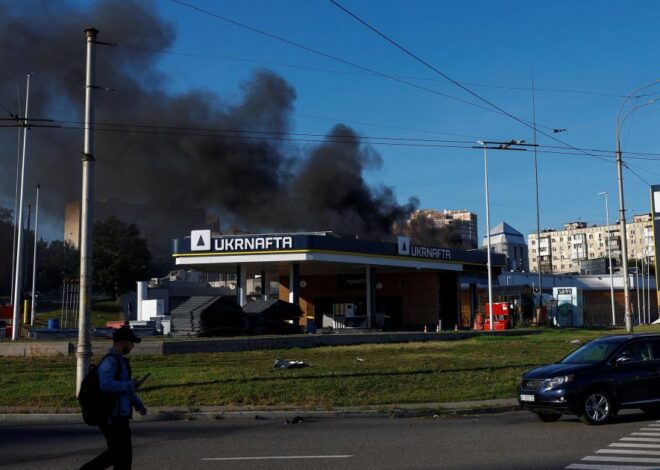
The New Energy Stalemate in Ukraine
Tatiana Mitrova, a fellow at Columbia University’s Center on Global Energy Policy and former energy scholar at Moscow’s Russian Academy of Sciences, and Sergey Vakulenko, an oil and gas expert at Carnegie’s Russia Eurasia Center, argue that Russia and Ukraine are locked in an energy war that has become an adaptation spiral, despite growing human and economic costs and despite current US pressure on Ukraine. They observe Ukraine’s remarkable ability to withstand Russian strikes, while questioning claims that long-range Ukrainian strikes will be able to achieve game-changing damage on Russia. Ukraine and Russia have transformed the role of energy warfare in modern conflict, drawing on low costs drones but also new forms of technological resilience that are likely to make wars longer and more dangerous.
The China Price
In 1971, as the international monetary system was on the brink of collapse, U.S. Treasury Secretary John Connally told a group of worried European finance ministers that the dollar was “our currency, but your problem.” The dollar had become that system’s official reserve currency in 1944, under the Bretton Woods agreement, making signatories subject to the whims of U.S. monetary policy. Even after Bretton Woods collapsed and many currencies floated freely, the dollar continued to dominate. In the last half century, U.S.

What India’s Protests Reveal About the Future of Liberalism
A Conversation With Pratap Bhanu Mehta