October 2026
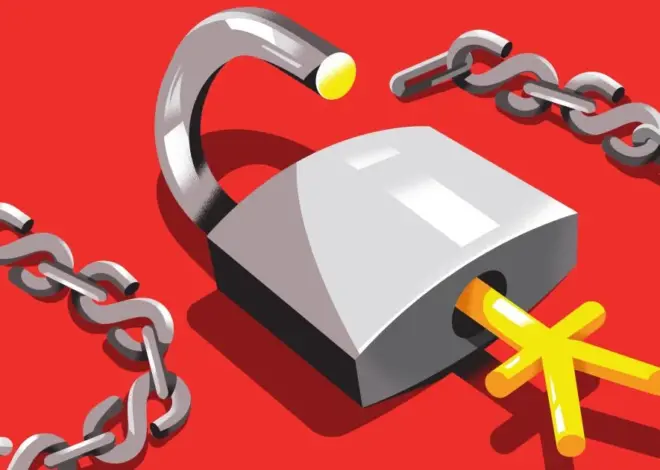
The China Price
In 1971, as the international monetary system was on the brink of collapse, U.S. Treasury Secretary John Connally told a group of worried European finance ministers that the dollar was “our currency, but your problem.” The dollar had become that system’s official reserve currency in 1944, under the Bretton Woods agreement, making signatories subject to the whims of U.S. monetary policy. Even after Bretton Woods collapsed and many currencies floated freely, the dollar continued to dominate. In the last half century, U.S.

What India’s Protests Reveal About the Future of Liberalism
A Conversation With Pratap Bhanu Mehta
Brazil’s Economic Impasse
Monica de Bolle, an expert in Brazilian economic policy, makes an authoritative argument that Brazil’s economic problems will persist no matter the outcome of the country’s presidential election. A Flávio Bolsonaro administration would fare no better than Lula when it comes to reducing debt and delivering growth—and Bolsonaro’s illiberal policies could make the economic picture even worse.
A Less-Is-More Strategy for America
Barry Posen, a professor at MIT, is one of America’s leading experts on international security. He argues that the United States military is breaking down because it has been overused and overextended over the last 30 years, and that the only way to repair it is for Washington to exercise much more restraint.

The Chokepoint Trap
The search for economic security will end in geopolitical calamity.
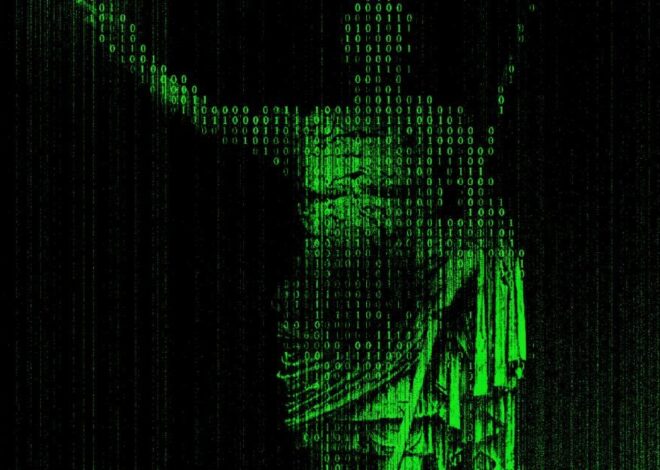
Empires of AI
In this essay, Niall Ferguson, one of the world’s foremost experts on imperial history, teams up the former CEO of Google, Eric Schmidt, and the researcher Lisa Klaassen to make the provocative argument that AI is an inherently “imperial technology”—and to reveal what the fate of past empires might say about the future of U.S.-Chinese competition in a world shaped by AI.
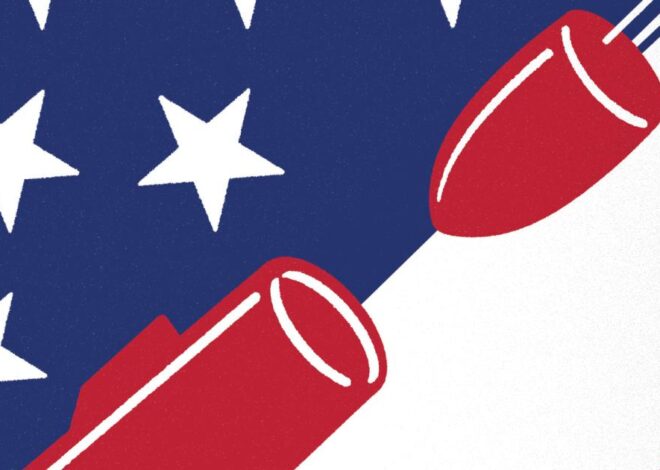
The Limits of American Power
William McRaven, a retired four-star admiral and a major figure in American military affairs, uses history and his personal experiences to make an authoritative case that American leaders frequently overestimate the potential of military force to achieve political ends—and that new technologies like AI will exacerbate this problem.
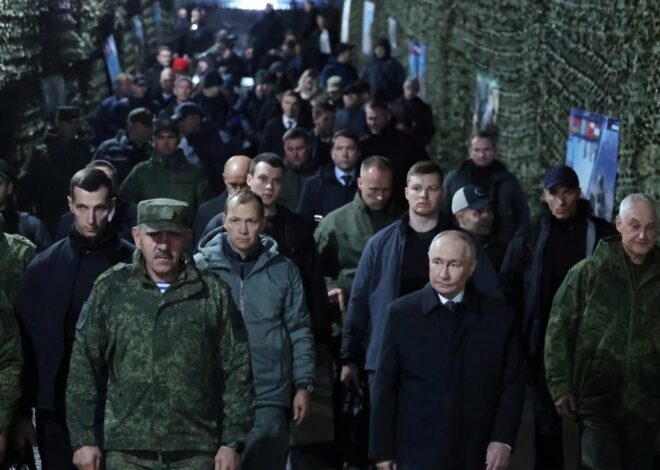
How Russia Sees the World Now
Dima Adamsky, an expert on Russian security and Russian nuclear deterrence strategy at Harvard and Reichman Universities, examines a large-scale shift in Russia’s strategic thinking over the past year, centered around the view that Europe, rather than the United States, is now Russia’s primary geopolitical rival and adversary, and looking at the consequences of this shift for US efforts to end the war in Ukraine.
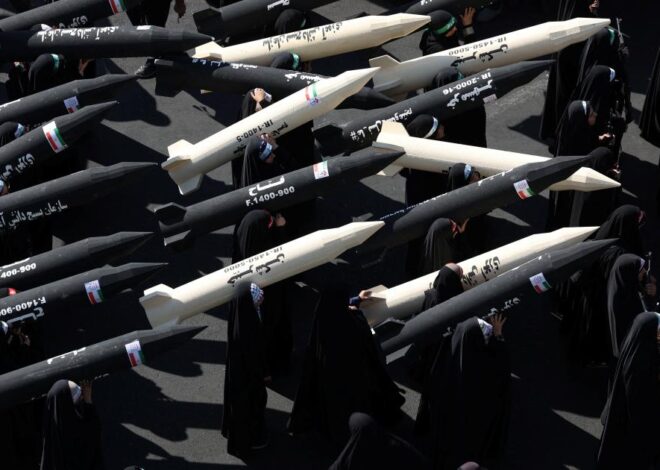
Who Needs the Bomb?
The purpose of nuclear deterrence.