Security

The Axis of Upheaval Goes to War
Andrea Kendall-Taylor and Richard Fontaine, former members of the National Security Council, argue that the members of what they call the “axis of upheaval”—Russia, China, Iran, and North Korea—are deepening their cooperation. Meanwhile, Washington is creating friction with many of its own partnerships. If these developments continue unabated, the United States will squander the strength of its network just as its adversaries learn to make the most of theirs.
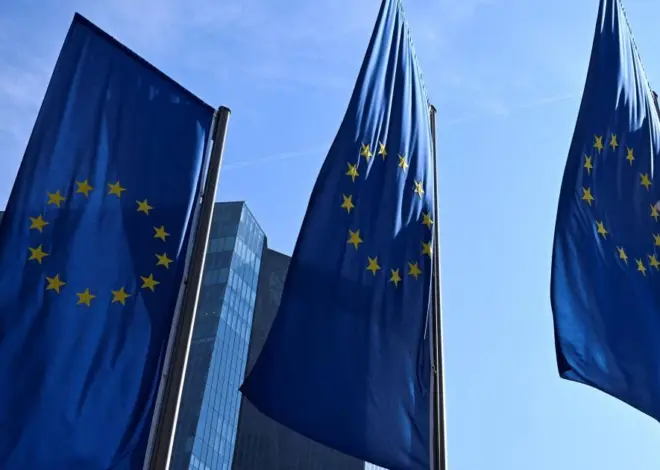
The Nuclear Deal That Could Save NATO
Former U.S. NATO ambassador Ivo Daalder argues that the scramble to shore up Europe’s conventional defense risks overlooking the continent’s greatest security weakness: nuclear deterrence. Europe knows it can’t fully trust Washington’s guarantee anymore. But he lays out a middle path between dependence and nuclearization that would extend France’s and the United Kingdom’s nuclear umbrella—a course, he argues, that could even repair the transatlantic alliance.

Ukraine Can Turn Imminent Peril to Its Advantage
How a true “energy cease-Fire” can curb Putin.
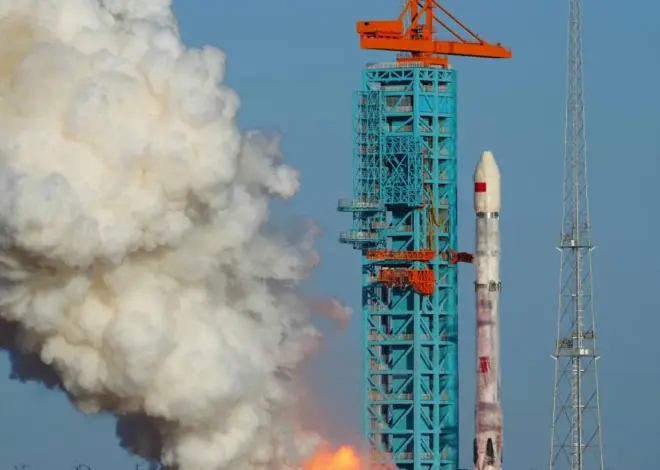
China’s Next Frontier
Technology experts Kathleen Curlee and Sam Bresnick argue that China is catching up to the United States in space, commercially and militarily. This poses a threat to U.S. military operations, which rely on space-based capabilities. Washington must invest in space defense and also reduce its reliance on the domain.
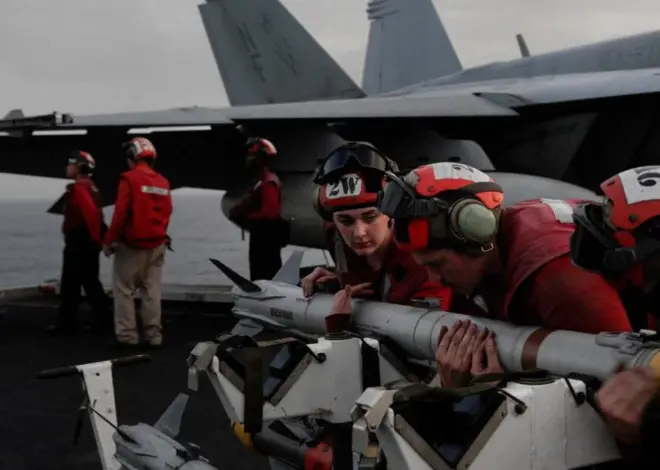
America Shouldn’t Let Go of the Middle East
Why disengagement is not the answer.
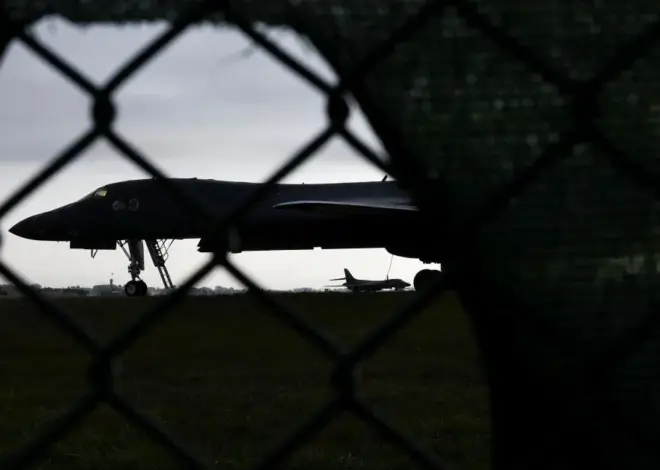
The Real Lesson of the Iran War
When airpower wins, and when it doesn’t.

Order Before Peace
Kissinger’s Middle East diplomacyand its lessons for today.
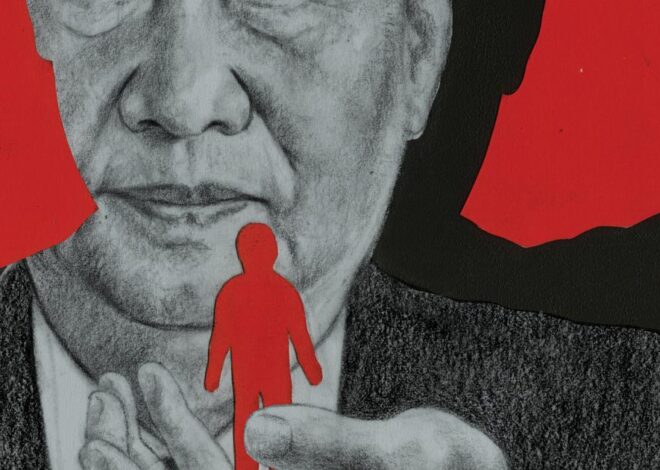
After Xi
The succession question obscuring China’s future—and unsettling its present.
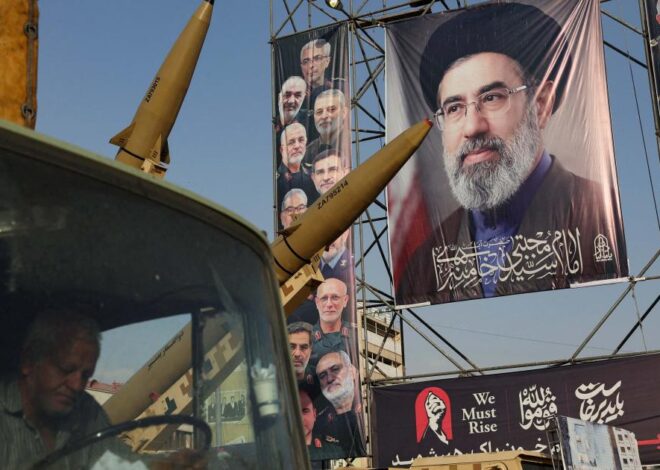
Iran’s Theory of Victory
Tehran’s fight for great-power status in the post-American Middle East.

The Case for Economic Espionage
America should spy on foreign companies to help its own.