Ideology
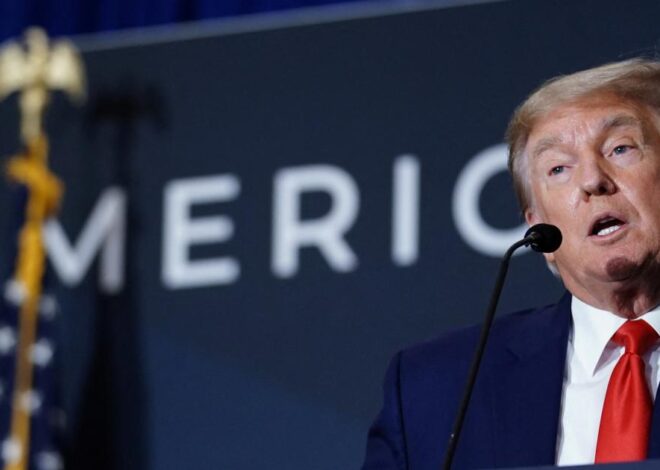
A Better “America First”
Charles Kupchan, who served in the Clinton and Obama administrations, argues that many aspects of Trump’s foreign policy are worth keeping and align with changes in the international system. He explains how the next president can marry the good impulses of “America first” with the best of liberal internationalism.

The Everything Crisis
Mara Karlin, a defense policy expert who served as senior national-security official in multiple American administrations, makes an authoritative case that war planners tend to be overconfident about their ability to predict how new tools will shape the battlefield—blinding them to the unchanging realities of war. Using examples from Gaza, Ukraine, and Iran, Karlin shows how this “technology trap” leads to false assumptions about the future of war.
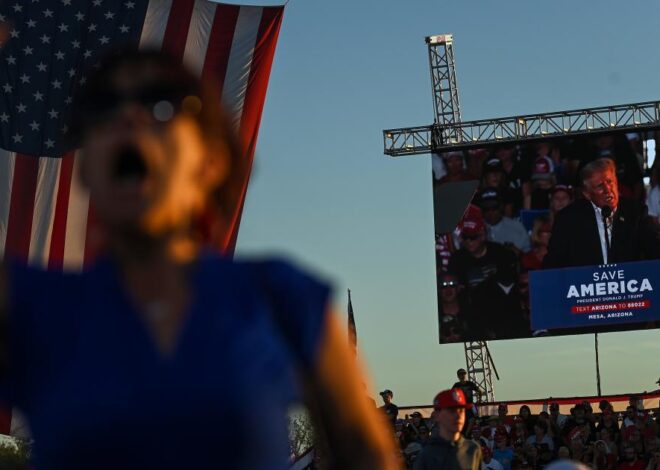
The Antiliberal Revolution
Reading the philosophers of the new right.

The Middle East’s Quiet Liberal Revolution
What people in the region actually believe.
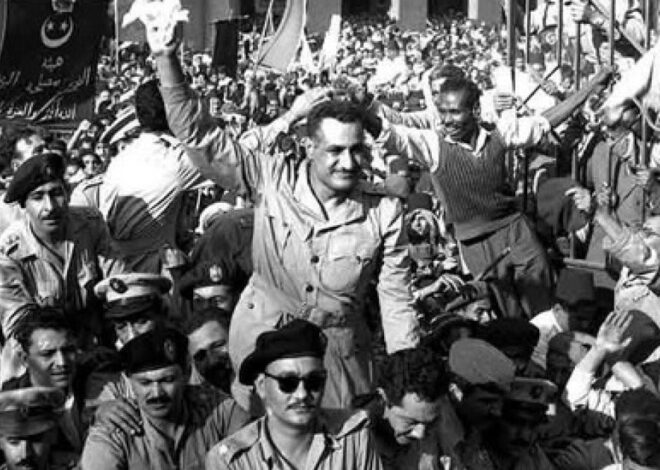
The Egyptian Revolution
For a century and a half the Arab world has been following a negative policy. It has known what it wanted to do away with, but it has not known what it wanted to build. The Western conquest of the Middle East was mental no less than physical. Overwhelmed and unsettled, Eastern minds lost almost all national values, yet could not absorb Western values. Misapplication of Western patterns of government brought a confused mixture of political systems and philosophies. Democracy was only a veil for dictatorship.
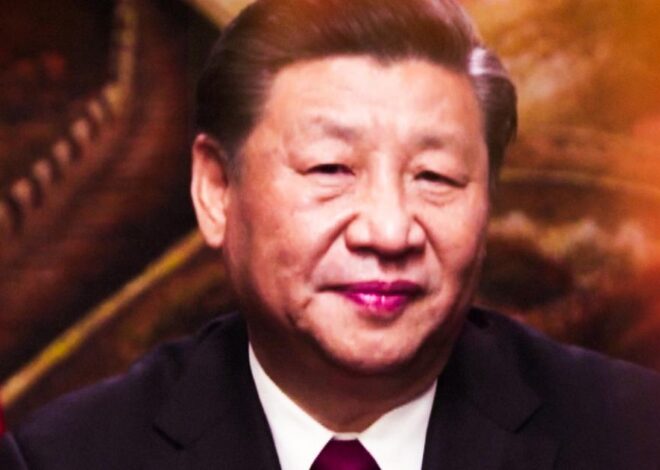
The World According to Xi Jinping
What China’s ideologue in chief really believes.
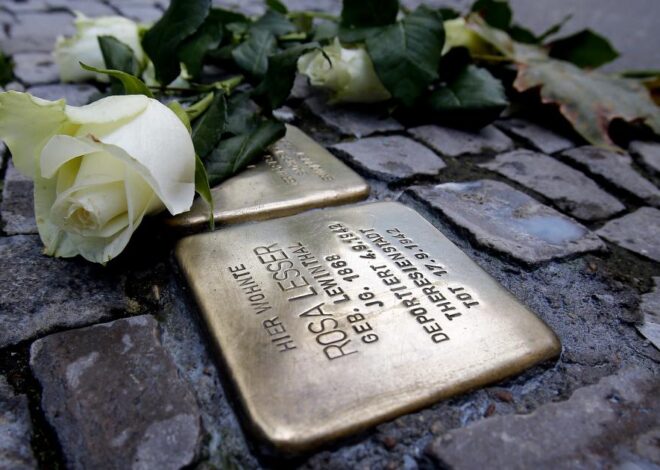
From Nazism to Never Again
Germany’s effort to confront Hitler’s crimes was halting at first, but today the Germans have accomplished a major feat: collective acceptance of moral responsibility for their country’s past.

Somebody Else’s Civil War
Osama bin Laden’s attacks on the United States were aimed at another audience: the entire Muslim world. Hoping that U.S. retaliation would unite the faithful against the West, bin Laden sought to spark revolutions in Arab nations and elsewhere. War with America was never his end; it was just a means to promote radical Islam. The sooner Washington understands this, the better its chances of winning the wider struggle.
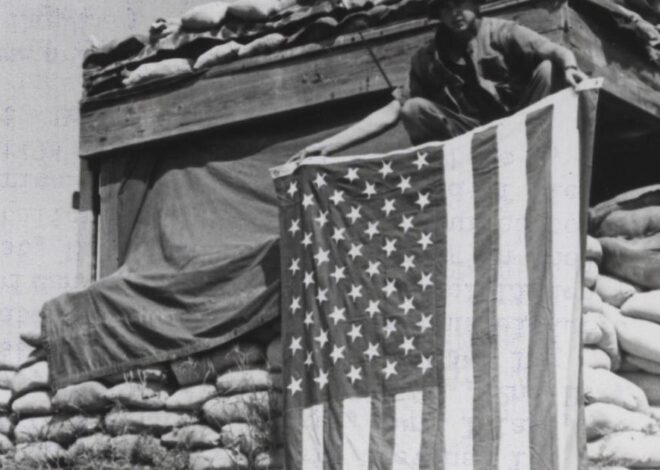
The American Style: Our Past and Our Principles
Although the notion of national character has turned out to be of dubious validity, the notion of a national style holds greater promise. It is a postulate and a construct. It attempts to establish order in a chaotic mass of features by positing that a nation perceives the world, and its place in it, in a fashion which is never quite that of any other nation, just as no individual ever faces the world as anyone else does. This way is a procedure of selection, and therefore inevitably one of exclusion, and it is a procedure of distortion, because things that may be important are left out and also because the things selected are refracted through the prism of the nation’s or individual’s character.
The New Right’s Grand Strategy After Trump
Civilizationism would upend America’s role in the world.