October 2026

America in Decay
The problems with American politics today stem from the basic design of U.S. political institutions, exacerbated by increasingly hostile polarization. Unfortunately, absent some sort of major external shock, the decay is likely to continue for the foreseeable future.
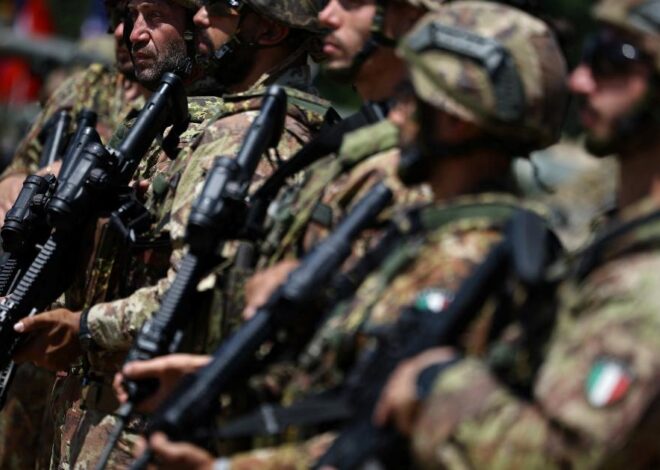
Europe’s Credibility Gap
Ngaire Woods, Dean of Oxford’s Blavatnik School of Government, Claas Mertens, also at Oxford, have written a piece arguing that Europe, despite its attempts at self-sufficiency, remains dependent on an unpredictable United States. The continent needs to address this vulnerability so that it can convince other countries, many of which find themselves similarly vulnerable to great-power coercion, that it is a worthy partner.
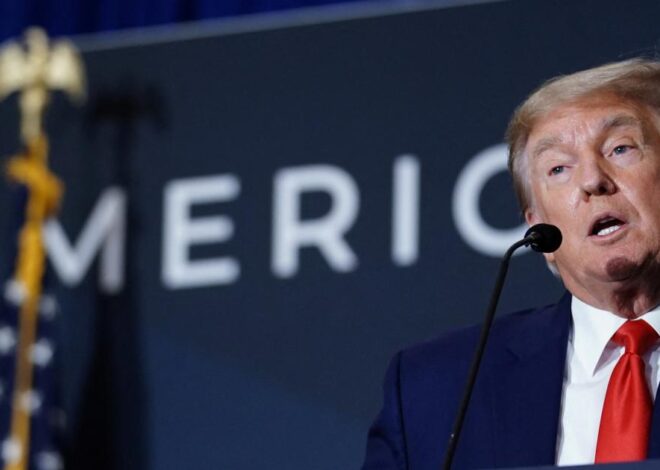
A Better “America First”
Charles Kupchan, who served in the Clinton and Obama administrations, argues that many aspects of Trump’s foreign policy are worth keeping and align with changes in the international system. He explains how the next president can marry the good impulses of “America first” with the best of liberal internationalism.
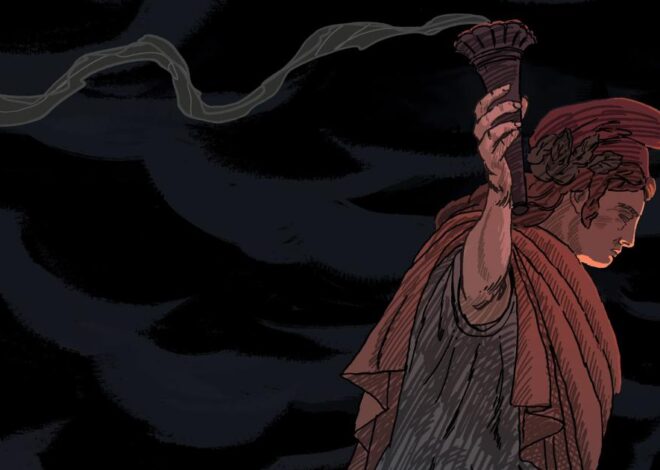
The Everything Crisis
Mara Karlin, a defense policy expert who served as senior national-security official in multiple American administrations, makes an authoritative case that war planners tend to be overconfident about their ability to predict how new tools will shape the battlefield—blinding them to the unchanging realities of war. Using examples from Gaza, Ukraine, and Iran, Karlin shows how this “technology trap” leads to false assumptions about the future of war.
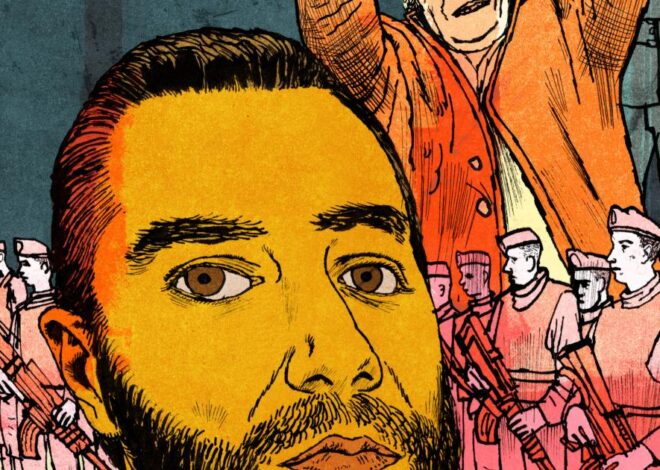
Latin America’s Revolution of the Right
From virtually the moment he and his band of bearded rebels rode into Havana in 1959 until his death from natural causes in 2016, the most iconic leader in Latin America was Fidel Castro. With his trademark military fatigues, slender Cohiba cigars, and marathon speeches vilifying Uncle Sam, Castro captured the imaginations of aspiring revolutionaries and millions of others around the world. Never content to merely govern Cuba, Castro worked tirelessly to export his ideas.

The Antiliberal Revolution
Reading the philosophers of the new right.

The Axis of Upheaval Goes to War
Andrea Kendall-Taylor and Richard Fontaine, former members of the National Security Council, argue that the members of what they call the “axis of upheaval”—Russia, China, Iran, and North Korea—are deepening their cooperation. Meanwhile, Washington is creating friction with many of its own partnerships. If these developments continue unabated, the United States will squander the strength of its network just as its adversaries learn to make the most of theirs.
A Democratic Reckoning in India
The battle on the streets over the foundations of the state.

The Nuclear Deal That Could Save NATO
Former U.S. NATO ambassador Ivo Daalder argues that the scramble to shore up Europe’s conventional defense risks overlooking the continent’s greatest security weakness: nuclear deterrence. Europe knows it can’t fully trust Washington’s guarantee anymore. But he lays out a middle path between dependence and nuclearization that would extend France’s and the United Kingdom’s nuclear umbrella—a course, he argues, that could even repair the transatlantic alliance.
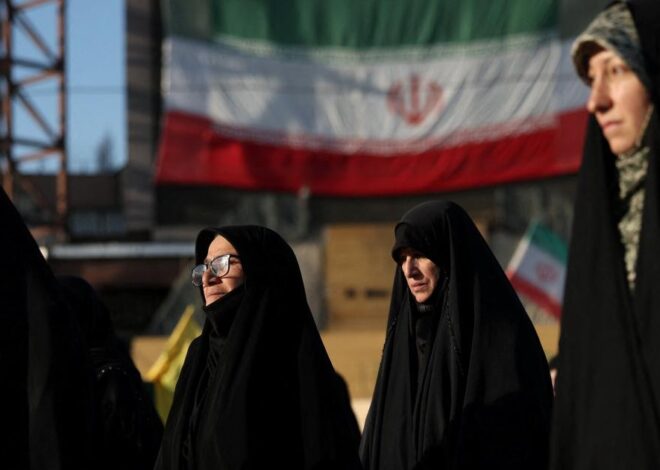
Iran’s Long War
A Conversation With Ali Vaez and Mohammad Ayatollahi Tabaar