The New Forever War
Why America and Iran fight on without victory.

The Two Shocks Upending Latin America
Why the region must brace for a new wave of turbulence.
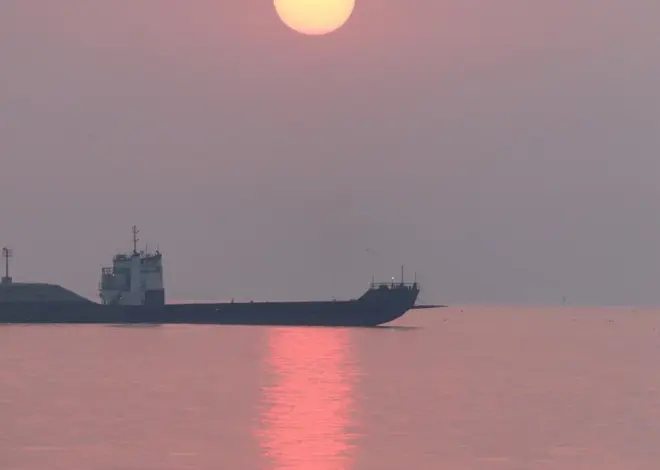
The Scramble for the Open Seas
Over the last half millennium, societies around the globe competed to divide up the world’s land. Nearly every square inch of soil outside Antarctica is now owned and tucked within national borders. But the oceans have largely been spared that fate. There were times throughout history when countries tried to gate and regulate the seas, but they were too vast to be controlled for long periods. During the Cold War, as technology made it far easier to imagine partitioning the world’s waterways and seabeds, great powers avoided an unrestrained race to grab the oceans.
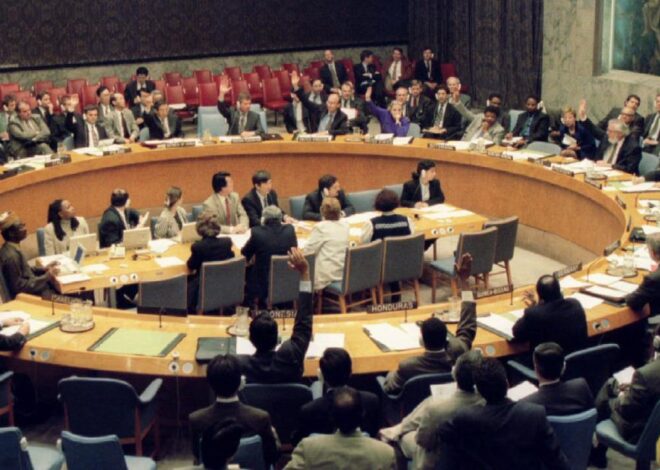
Global Leadership: After the Cold War
The United Nations has stepped forward to meet the challenges of a world simultaneously fragmenting and going global. The world body has led the way in defining human rights, assisting states as they grope toward democracy and the market, calling attention to ignored conflicts, and cooperating with nongovernmental organizations. But it cannot fulfill its destiny unless its members provide it with the funds and resources it needs. A strong and independent secretary-general is the key to the U.N.’s future.
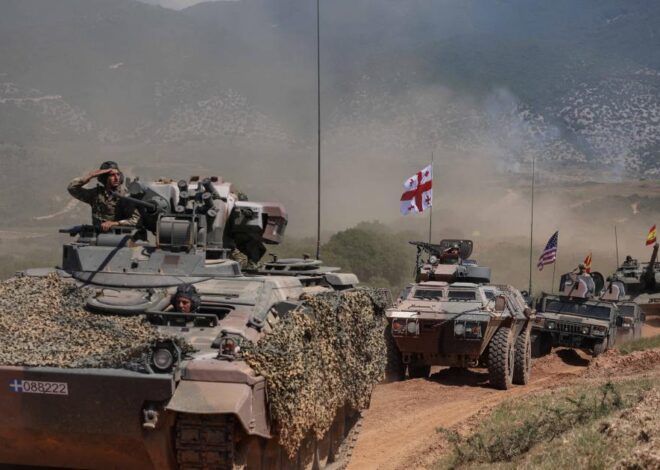
Rewiring the Arsenal of Democracy
America and its allies must scale together for a new era of war.
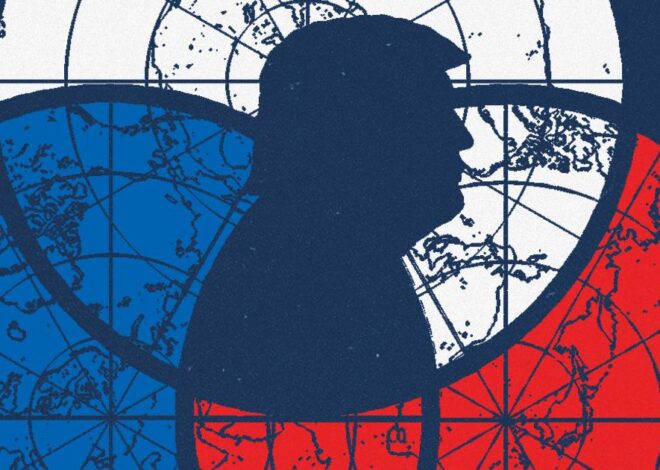
The Rise and Fall of Great-Power Competition
Trump’s new spheres of influence.
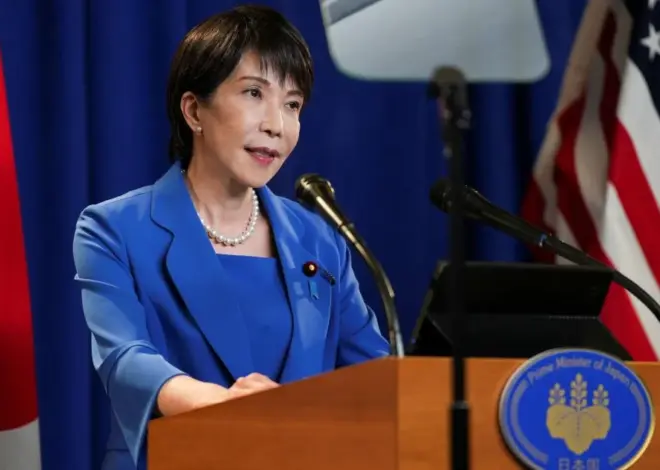
Japan Is Giving the United States a Chance in Asia
But Washington risks missing out.
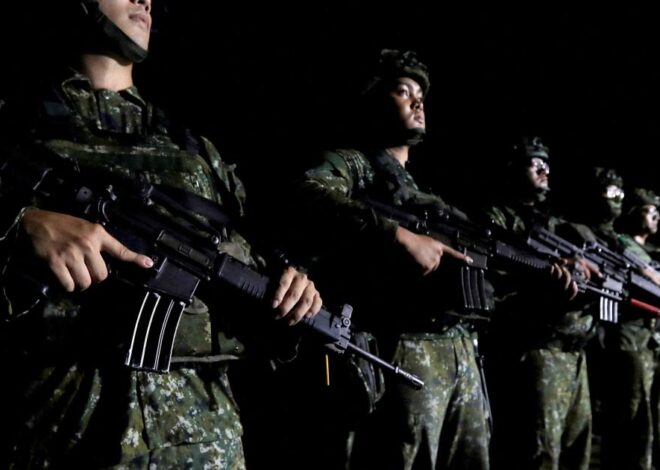
The Coming Taiwan Crisis
Use today’s calm to prepare for the next perfect storm.
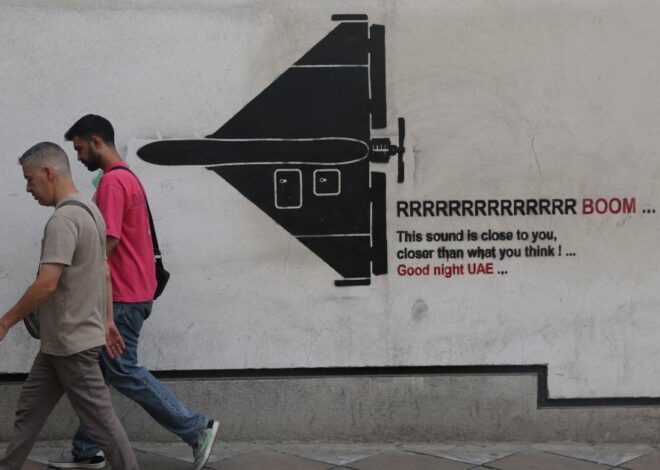
How Iran Changed War
The lessons of Tehran’s use of precise mass.
How Iran Changed War
The lessons of Tehran’s hse of precise mass.