U.S. Foreign Policy
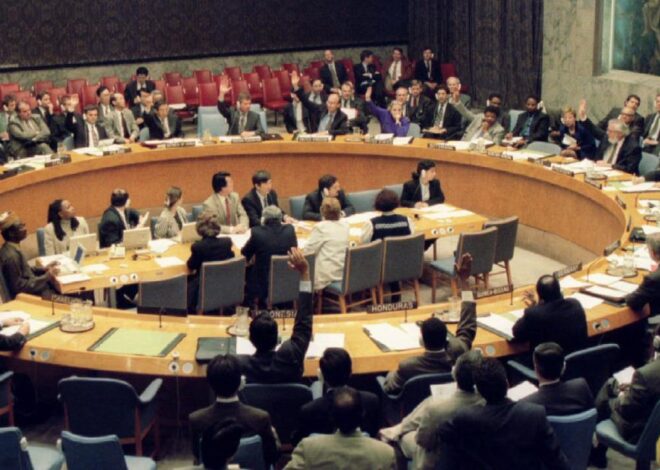
Global Leadership: After the Cold War
The United Nations has stepped forward to meet the challenges of a world simultaneously fragmenting and going global. The world body has led the way in defining human rights, assisting states as they grope toward democracy and the market, calling attention to ignored conflicts, and cooperating with nongovernmental organizations. But it cannot fulfill its destiny unless its members provide it with the funds and resources it needs. A strong and independent secretary-general is the key to the U.N.’s future.
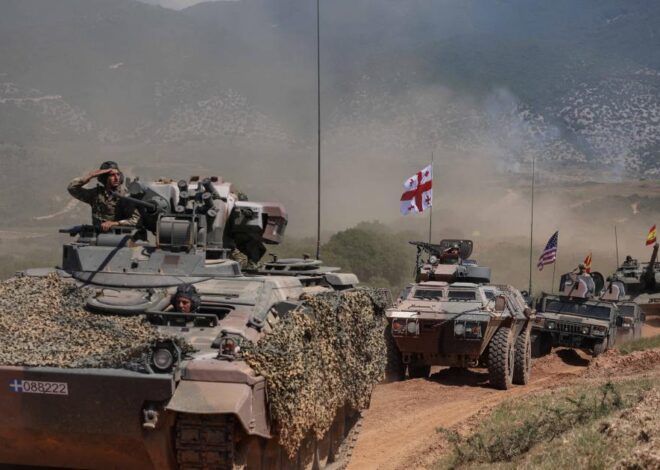
Rewiring the Arsenal of Democracy
America and its allies must scale together for a new era of war.
The Rise and Fall of Great-Power Competition
Trump’s new spheres of influence.

How Putin Escalates
A new stage in Russia’s confrontation with Ukraine—and the West.

The Price of Arctic Ambition
The Greenland deal proves self-reliance is not an option.
The Price of Arctic Ambition
The Greenland deal proves self-reliance is not an option.
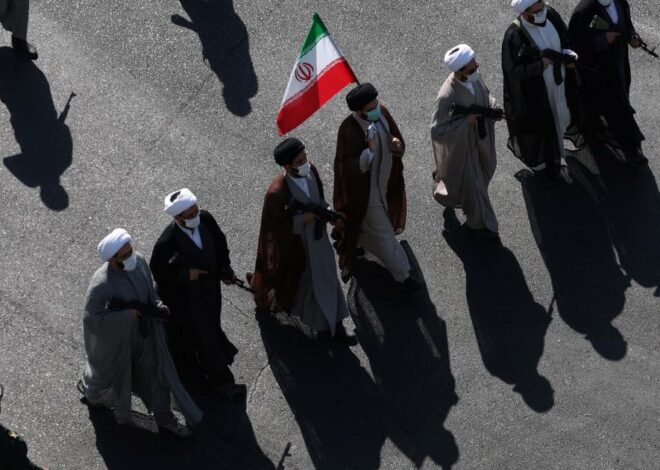
The Stalemate With Iran Is Not Sustainable
A diplomatic strategy to end the war.
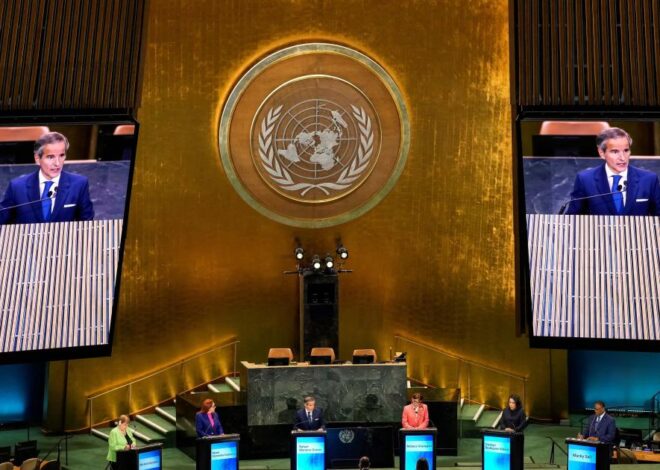
Shrink the UN
The next secretary-general must get back to basics
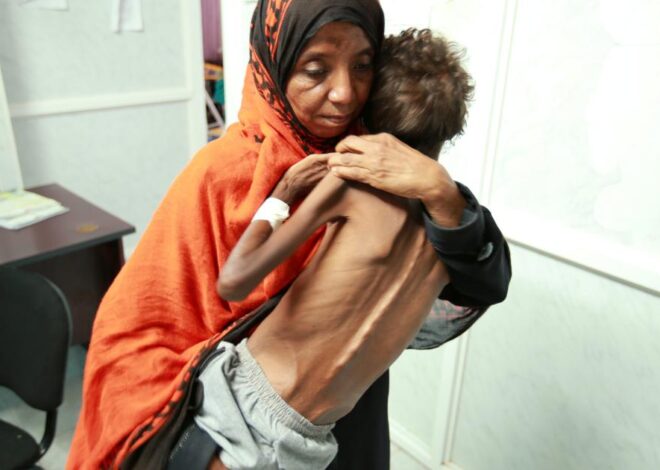
Yemen’s Humanitarian Nightmare
Yemen’s civil war is not, despite popular belief, part of a broader Saudi-Iranian conflict, but rather the result of deep historical tensions within Yemen itself. Yet the United States and Saudi Arabia can still do much to improve the humanitarian situation.

America’s Attrition Trap
The U.S. military needs to build up its endurance.