Ideology
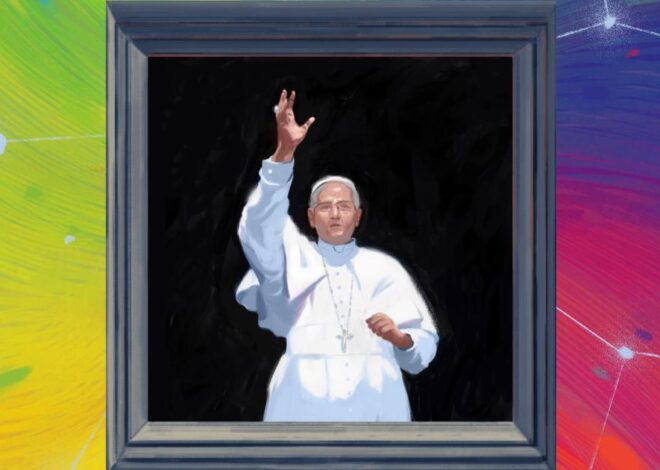
God From the Machine
AI and the future of humanity.
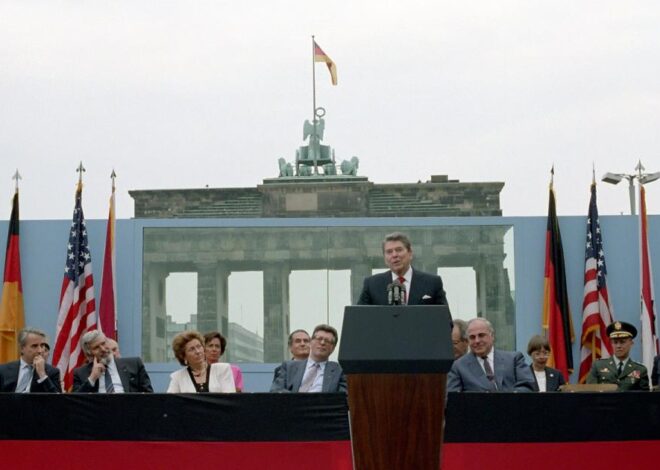
The Unipolar Moment
The immediate post-Cold War world is not multipolar. The center of world power is the unchallenged superpower, the United States, attended by its Western allies.
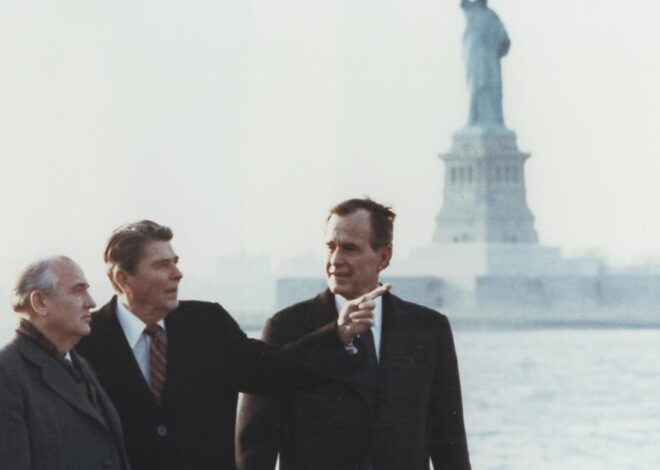
Foreign Policy and the American Character
Foreign policy is the face a nation wears to the world. The minimal motive is the same for all states_the protection of national integrity and interest. But the manner in which a state practices foreign policy is greatly affected by national peculiarities.

A New Americanism
Historians’ failure to tell a common American national story has ceded the field to charlatans offering their own twisted versions—and allowed a dangerous strain of American nationalism to take hold.
A Democracy Safe for the World
How to fix a broken system.
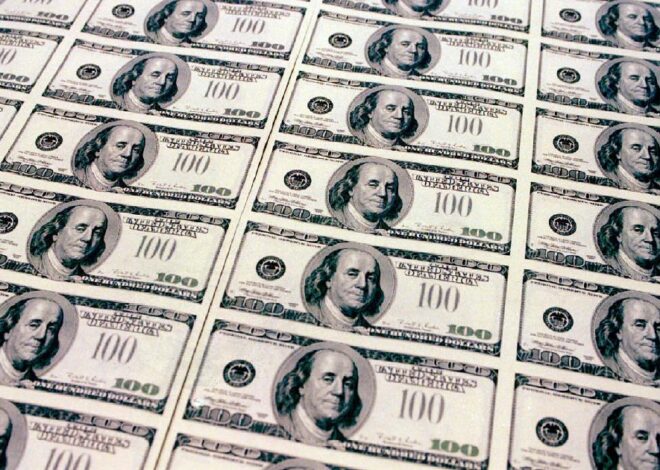
Is Capitalism Too Productive?
Lionel Jospin recently took power in France with a promise to reduce the workweek from 39 to 35 hours. Why? Because of the latest popular economic fallacy: the theory of global glut, or the belief that there is too much output and not enough work to go around in today’s hyper-efficient economy. But productive capacity in the advanced nations is not growing much faster than it was during the last two decades, and more slowly than in the 1950s and 1960s. People will always find new wants, and the newly industrializing countries are consuming even more than they produce. As Marx could have told you, capitalism can go on accumulating capital — and producing more goods and services — forever.
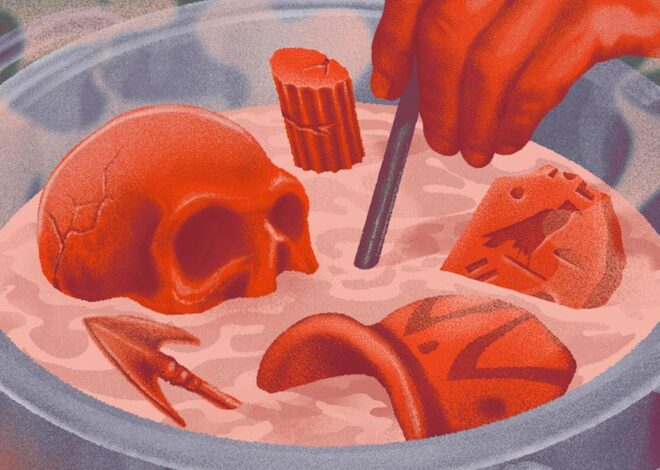
Sapiens in the Mist
What the fight about humanity’s origins reveals about its future.
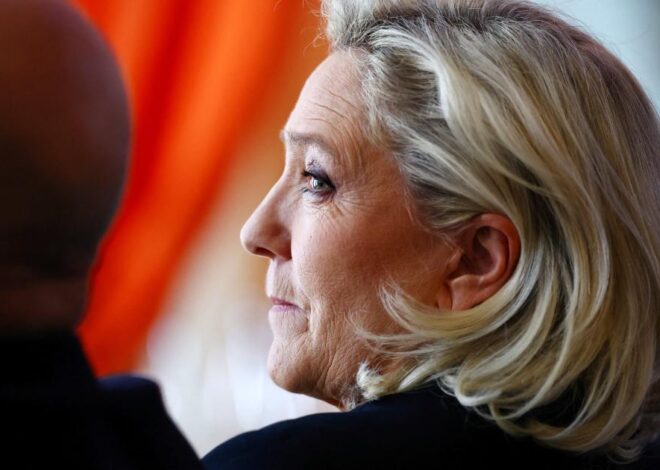
How France Falls to the Far Right
The growing odds and seismic consequences of a Le Pen-Bardella victory.

How Migration Helps Authoritarians
The costs of democratic drain.
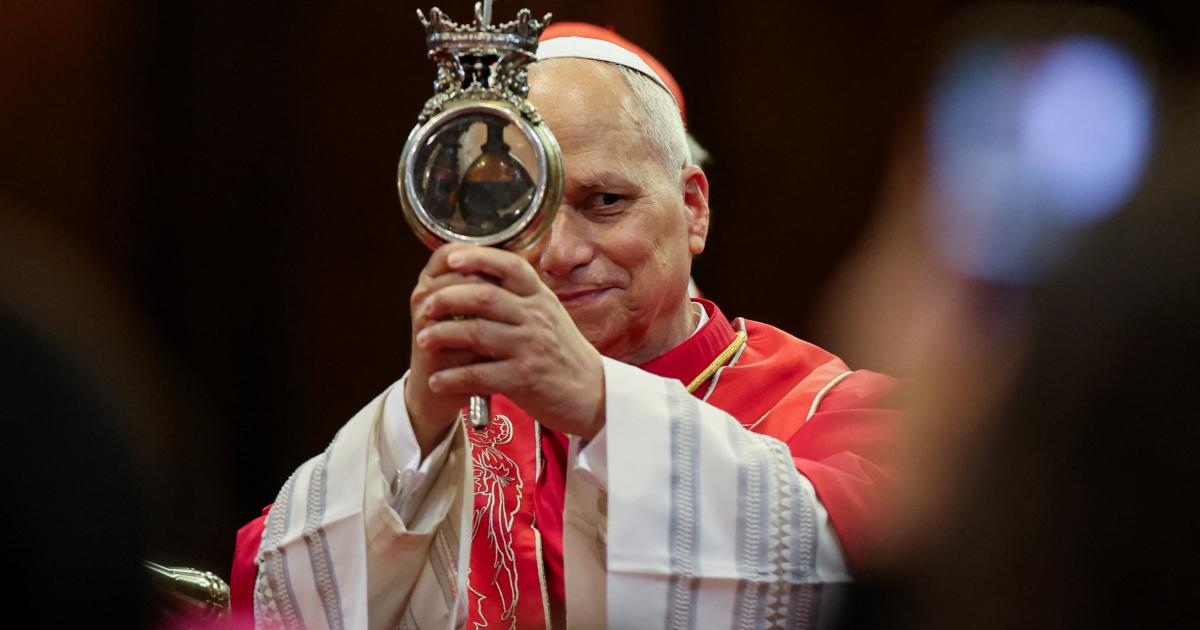
The Not-So-Quiet American
Pope Leo takes the Vatican where Francis could not.