Foreign Affairs: 100 Years
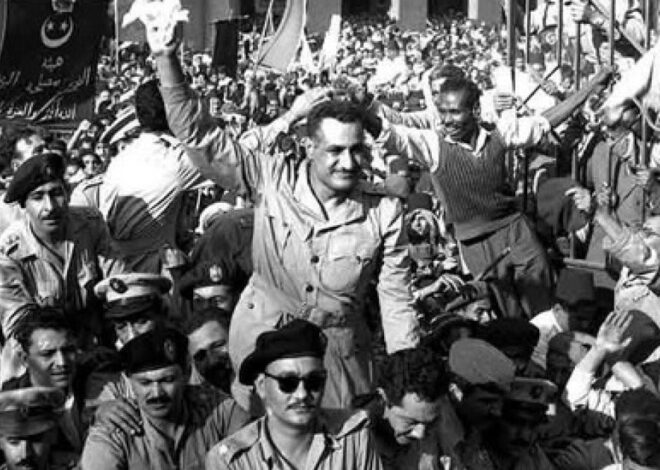
The Egyptian Revolution
For a century and a half the Arab world has been following a negative policy. It has known what it wanted to do away with, but it has not known what it wanted to build. The Western conquest of the Middle East was mental no less than physical. Overwhelmed and unsettled, Eastern minds lost almost all national values, yet could not absorb Western values. Misapplication of Western patterns of government brought a confused mixture of political systems and philosophies. Democracy was only a veil for dictatorship.

Somebody Else’s Civil War
Osama bin Laden’s attacks on the United States were aimed at another audience: the entire Muslim world. Hoping that U.S. retaliation would unite the faithful against the West, bin Laden sought to spark revolutions in Arab nations and elsewhere. War with America was never his end; it was just a means to promote radical Islam. The sooner Washington understands this, the better its chances of winning the wider struggle.

The Du Bois Doctrine
Race and the American century.
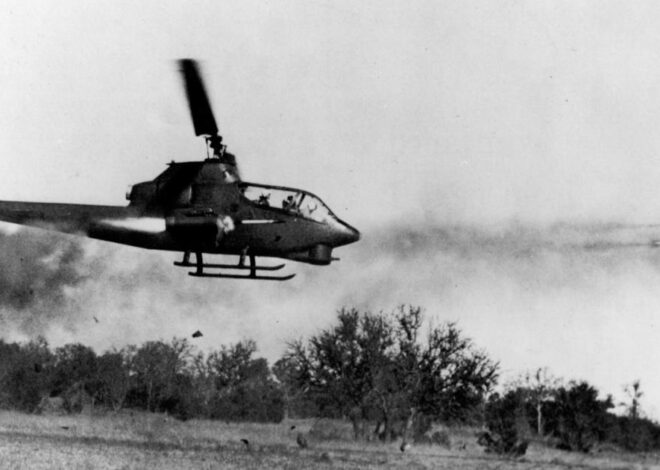
To Intervene or Not to Intervene
There is nothing new in the contemporary doctrine opposing intervention or in the pragmatic use of intervention on behalf of individual nations’ interests.
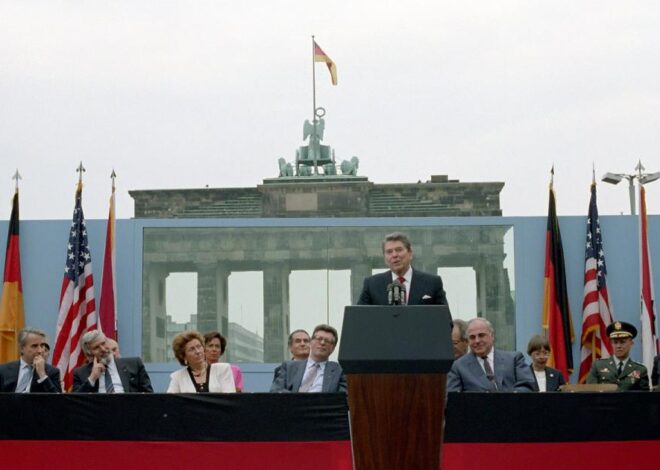
The Unipolar Moment
The immediate post-Cold War world is not multipolar. The center of world power is the unchallenged superpower, the United States, attended by its Western allies.

A New Americanism
Historians’ failure to tell a common American national story has ceded the field to charlatans offering their own twisted versions—and allowed a dangerous strain of American nationalism to take hold.

The Fractured Superpower
Federalism is remaking U.S. democracy and foreign policy.