From Boston to the South Loop: Making a Condo Move Work From Day One
Choosing a South Loop condo gives Boston residents a chance to settle into a distinctly Chicago version of urban living. Modern buildings, vertical layouts, shared amenities, underground parking, and controlled entrances can all make the neighborhood appealing. They can also introduce moving-day details that are easy to overlook while concentrating on the excitement of the relocation.
The smartest preparation begins with the condo itself. Before packing a single room, learn how furniture will enter the building, where the truck can stop, and which belongings make sense for the new space.
Get the Condo’s Move-In Requirements
Start by contacting the building’s management or concierge team. Ask about the approved moving hours, freight elevator, loading dock, parking arrangements, security procedures, and reservations.
Some condominium buildings require residents to reserve elevators well in advance. Others may have specific rules for protecting common areas or limiting the time a moving vehicle can remain near the entrance.
Boston to Chicago Moving with Masters of Midwest Corridor can be especially useful when the relocation involves coordinating a household with detailed condo access requirements.
Confirm the Elevator Dimensions
Do not assume that a large elevator automatically accommodates every piece of furniture.
Measure tall wardrobes, sofas, bed frames, dining tables, and other awkward items. Compare their dimensions with the freight elevator and the route from the loading area to the condo.
Edit Your Furniture Before Leaving Boston
A South Loop condo may have a different floor plan from your current Boston residence. Open-plan living areas, smaller bedrooms, balconies, and built-in storage can all affect what furniture makes sense.
Measure the pieces you use most often and decide which ones deserve the trip.
A bulky sofa that dominates a Boston living room may be impractical in the condo. Conversely, a compact desk could become valuable if you plan to work from home.
Pay Attention to Vertical Space
Tall furniture can make excellent use of condo storage, but only if it can actually reach its intended location.
Check ceiling height, doorway clearance, and hallway turns before transporting large shelving units or cabinets.
Prepare the Boston Apartment for Departure
The starting property needs a coordinated exit plan.
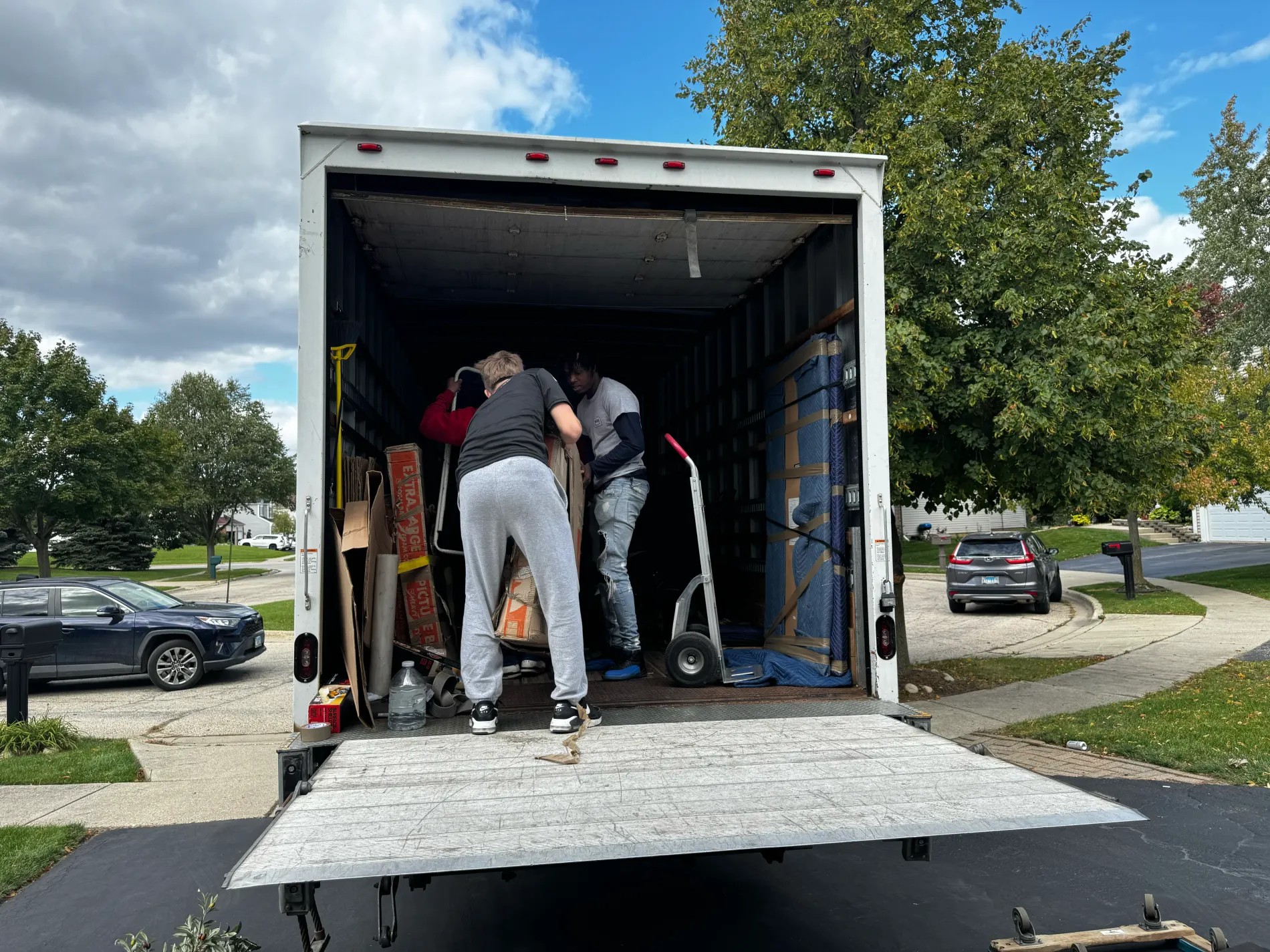
Clear hallways and staircases, finish most packing before the moving date, and separate furniture that requires disassembly. If the Boston building has limited curb access or an elevator reservation, make those arrangements early.
Moving help boston can reduce the physical burden of carrying boxes and heavy furniture, allowing residents to focus on closing out the apartment and preparing for travel.
Protect Furniture for the Journey
Even a relatively direct Northeast-to-Midwest relocation requires careful handling.
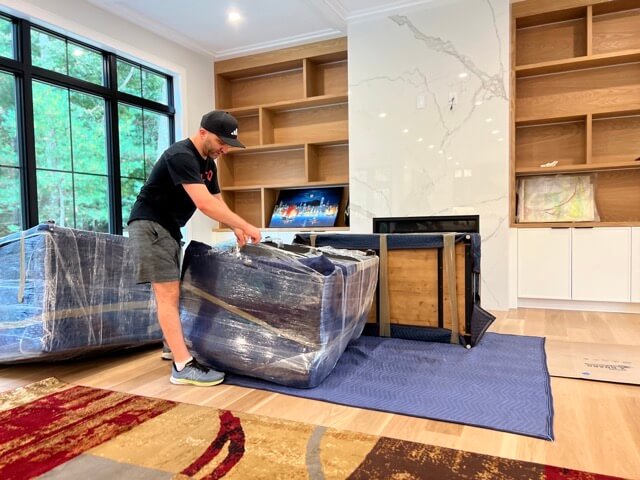
Protect wooden surfaces, upholstered furniture, glass, mirrors, and delicate finishes with appropriate wrapping and padding. Disassembled furniture should have its hardware kept in clearly marked bags.
For electronics, retain essential devices such as laptops and chargers separately whenever possible.
Think About What Should Travel With You
The household shipment should not contain everything you need during the transition.
Keep identification, purchase or lease documents, medications, valuables, chargers, toiletries, and several changes of clothing accessible.
If you work remotely, keep your laptop and essential work equipment with you. This can allow you to maintain your routine even if the rest of the household takes longer to unpack.
Prepare the South Loop Arrival Route
Chicago’s urban environment can make the final few hundred feet of a move surprisingly important.
Confirm where the moving vehicle is allowed to stop and whether the condo has a dedicated loading entrance. Ask how belongings should travel from the dock or curb to the freight elevator.
If the building has security staff or concierge-controlled access, make sure the move is properly registered.
Boston to Chicago Moving with Masters of Midwest Corridor becomes easier to coordinate when these details are established before delivery day.
Plan Furniture Placement Before Unloading
Create a simple layout for the condo. Decide where the sofa, bed, dining table, desk, and major storage pieces should go.
This is particularly important in an open-plan unit. Furniture can define separate living, dining, and work areas without adding walls.
Protect Shared Building Spaces
Condo hallways, elevators, lobbies, and floors are shared by residents. Moving large items through these areas requires care.
Follow the building’s rules for protective coverings and keep smaller boxes from blocking common pathways.
If there are particularly tight corners or narrow doorways, identify them before the crew starts unloading.
Make the Condo Functional First
You do not need to finish decorating on arrival day. Prioritize the rooms and possessions that support everyday life.
Set up the bed, basic kitchen supplies, bathroom essentials, seating, and workspace first. Decorative pieces and less frequently used storage boxes can wait.
Label cartons according to both room and contents so important items can be located without opening every box.
Adjust Your Household to Condo Living
The move from Boston to a South Loop condo is an opportunity to reconsider how you use space. Storage becomes more intentional, furniture placement becomes more significant, and building procedures become part of everyday life.
With moving help boston assisting with the demanding departure work and Boston to Chicago Moving with Masters of Midwest Corridor supporting the transportation process, residents can approach the relocation with fewer last-minute decisions.
A measured furniture plan, confirmed building access, and clearly organized essentials can turn the arrival at your new South Loop condo into a controlled transition rather than a crowded moving-day puzzle.

Related Posts

Iran’s Long War

Chinese Robots Could Decide the AI Race