Leaving Home for the Summer? How Families Can Store Their Belongings With Less Hassle
When a family leaves home for an extended summer trip, the packing list does not end with suitcases. A house that will sit partially unused for several months may contain toys, sports equipment, extra furniture, seasonal clothing, electronics, and countless smaller belongings that are better organized before departure.
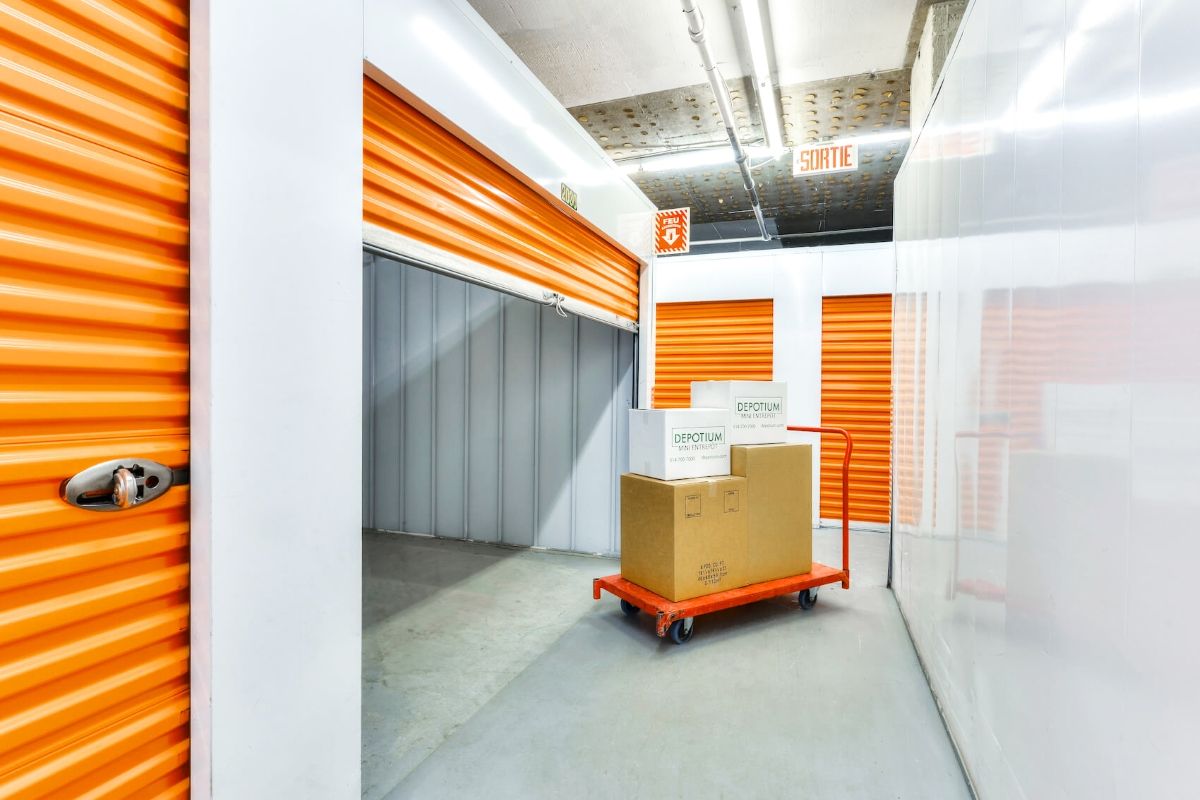
For families with limited room at home, summer storage can create valuable breathing space while everyone is away. Price Movers helps customers arrange moving and storage solutions around changing household needs, with more information available at https://pricemovers.com/.
Decide What Should Stay, Travel, or Be Stored
Start several days or weeks before departure rather than trying to make every decision on the final evening.
Walk through each room and divide possessions into three categories: items the family is taking along, belongings remaining in the house, and things that should be stored temporarily.
Give Each Family Member a Say
Children may want favorite toys or outdoor equipment to remain accessible when the family returns. Parents may have completely different priorities.
A short sorting session with everyone involved can prevent unnecessary packing and make the storage inventory more practical.
Clear Out Seasonal Clutter
Summer often brings an unusual mixture of belongings into the home.
Patio accessories, inflatable toys, camping equipment, beach gear, bicycles, gardening items, and recreational equipment can occupy considerable space. Decide which possessions will genuinely be used before the trip and which can be put away.
This is where summer storage becomes especially useful: seasonal belongings can be consolidated instead of remaining scattered across bedrooms, garages, closets, and hallways.
Clean Everything Before Packing
Do not place dirty outdoor equipment or used textiles directly into containers for several months.
Wash plastic toys, wipe down sports equipment, clean camping accessories, and remove dirt from shoes or outdoor gear.
Dry Items Completely
Moisture is one of the easiest things to overlook before an extended absence.
Towels, inflatable products, clothing, cushions, and other items should be completely dry before being packed. Check hollow equipment and folded materials carefully.
Give Children’s Belongings Their Own System
A child’s collection can become surprisingly difficult to organize when everything is placed into general household boxes.
Group toys, books, crafts, sports equipment, and outdoor items separately.
Keep Favorites Easy to Identify
If children are likely to want particular possessions immediately after returning, mark those containers clearly.
A label such as “Kids — First Week Back” can be far more useful than a generic “Toys” label.
Prepare Clothing for a Long Absence

Sort clothing by season and by family member.
Clothes that will not be needed during the trip can be packed separately from travel wardrobes. Wash and completely dry garments before storage.
Avoid creating oversized boxes filled with clothing that become difficult to carry or organize.
Protect Furniture That Will Be Stored
If excess furniture is being removed from the home for the summer, prepare it before transportation.
Empty drawers, cabinets, and shelves. Remove loose accessories and protect vulnerable surfaces appropriately.
Think About the Space Around Each Piece
Do not simply pack furniture as tightly as possible.
Leave practical access where necessary and avoid placing heavy boxes against delicate surfaces. A little planning makes future retrieval considerably easier.
Prepare Electronics Before Leaving
Televisions, computers, gaming systems, speakers, monitors, and other electronics deserve separate attention.
Back up important files, organize cables, remove detachable accessories where appropriate, and protect sensitive equipment from pressure or accidental impact.
Keep chargers and accessories together so they can be found quickly later.
Build an Inventory You Can Understand Months Later
A long absence makes memory less reliable.
Create a simple list of what has been stored and where it is located. Take photographs of larger belongings and record the contents of boxes using specific descriptions.
Avoid Labels That Say Almost Nothing
“Miscellaneous” may seem convenient while packing, but it will be frustrating after several months.
Instead, write labels such as “Pool Accessories,” “Winter Jackets,” “Kids’ Outdoor Games,” or “Camping Equipment.”
Separate Important Documents
Passports, identification, financial paperwork, property documents, insurance records, and other important papers should remain accessible.
Do not place essential documentation into a storage shipment simply because it is not needed every day.
Digital copies can also be useful while the family is traveling.
Think About the Home While You Are Away
Temporary storage should be coordinated with the rest of the departure plan.
Arrange mail handling, scheduled deliveries, utilities, property access, and any necessary maintenance before leaving.
If someone needs to enter the home during your absence, make sure they know which areas contain stored or protected belongings.
Choose a Practical Storage Arrangement
The amount and type of possessions being stored should influence the arrangement you choose.
Some families may only need additional space for outdoor equipment, while others may be temporarily relocating a substantial portion of their household.
Price Movers offers storage options for belongings that are temporarily out of use. The dedicated service information is available at https://pricemovers.com/services/storage/summer-storage.
Think About Retrieval Before You Pack
Place items that might unexpectedly be needed closer to the accessible part of the storage area.
Keep related possessions together instead of organizing everything solely according to box size.
Prepare for the Return Trip
The storage plan should work just as well when the family comes home.
Before departure, decide which possessions will be needed first. Bedding, children’s favorite belongings, basic household equipment, and frequently used outdoor items may deserve easier access than things that can remain packed for another week.
Turn a Long Absence Into an Organized Break
Leaving home for several months creates a useful opportunity to reduce clutter and reorganize belongings.
Sort possessions before packing, clean and dry seasonal equipment, protect furniture, prepare electronics, separate important documents, label every container, and maintain a straightforward inventory.
With a thoughtful summer storage arrangement, the family can leave knowing that unused belongings are organized rather than simply pushed into corners. When everyone returns, retrieving what matters becomes a planned task instead of another round of household chaos.

Related Posts

Iran’s Long War

Chinese Robots Could Decide the AI Race